



Nutrition Masterclass For Marathon Training
What to Eat Before, During, and After Every Run: Expert Advice from Kira Sutherland, Sports Nutritionist of the TCS Sydney Marathon


729
Should you run on an empty stomach? Do you need an energy gel on every long run? Is coffee actually helping your performance? If you've ever wondered what runners should eat before, during and after training, you're in the right place.
In our weekly podcast, Vikas sat down with Kira Sutherland, Sports Nutritionist of the TCS Sydney Marathon, for a Marathon Training Nutrition Masterclass.

In this conversation, we'll cover:
- Why is nutrition important for runners
- What to eat before a run
- What to eat during your run
- What to eat after a run
- How to calculate a runner’s hydration needs
- How caffeine can improve your running performance
Why is nutrition important for runners
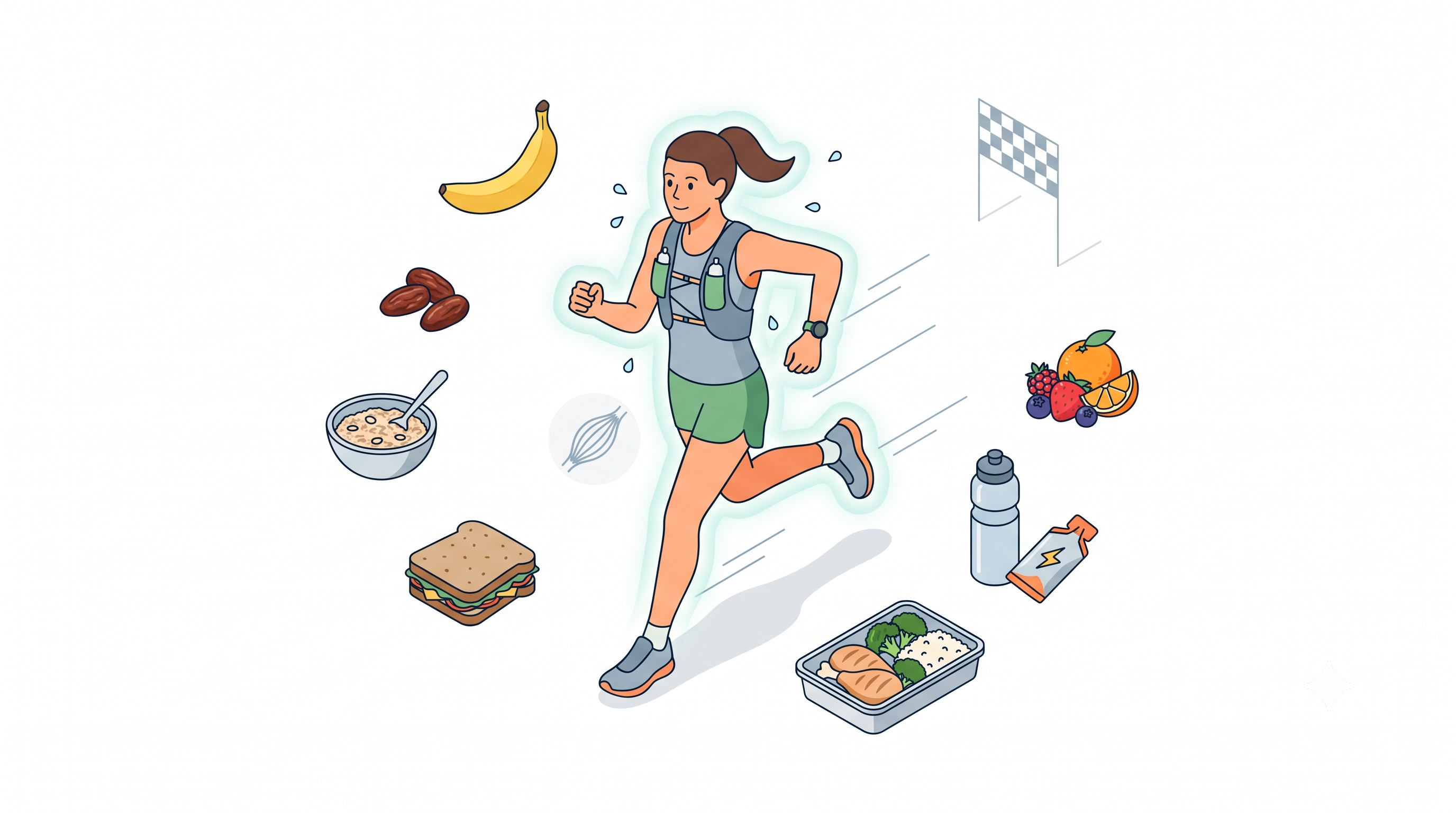
As your marathon training progresses, your nutrition needs change too. The more you run, the more your body depends on the right fuel to perform well, recover faster, and stay consistent throughout your training.
According to Kira Sutherland, good marathon nutrition isn't just about race day. It's about building the right eating habits throughout your training, so your body is ready for every run and eventually race.
“Overall, your nutrition just needs to be solid. It's about doing the right thing every day. It really depends on the volume, how many kilometres or hours you're training each week.”
As your training load increases, your body needs the right balance of carbohydrates, protein, healthy fats, vitamins, and minerals to support recovery and adapt to training.
What to eat before a run

What you eat before a run depends on how long and how hard you're planning to run. There is no one-size-fits-all approach. The goal is to start your run feeling energised.
Choose foods that are easy to digest and high in carbohydrates. Keep them low in fat and fibre so your stomach feels comfortable during your run.
If you're heading out for an easy run of up to 60–90 minutes, especially at an easy pace (Zone 2), you may not need to eat beforehand. Many runners feel comfortable running with just water.
However, if you're planning a longer run or a high-intensity workout, eating beforehand can help you maintain your energy and get more out of your training. Kira recommends having 20–30 g of simple carbohydrates about 15–30 minutes before your run. This helps top up the energy your body uses overnight and prepares you for a better training session.
Some simple options include:
- A banana
- Some dates
- A piece of toast
- Two slices of toast with honey
- Oats
What to eat during your run
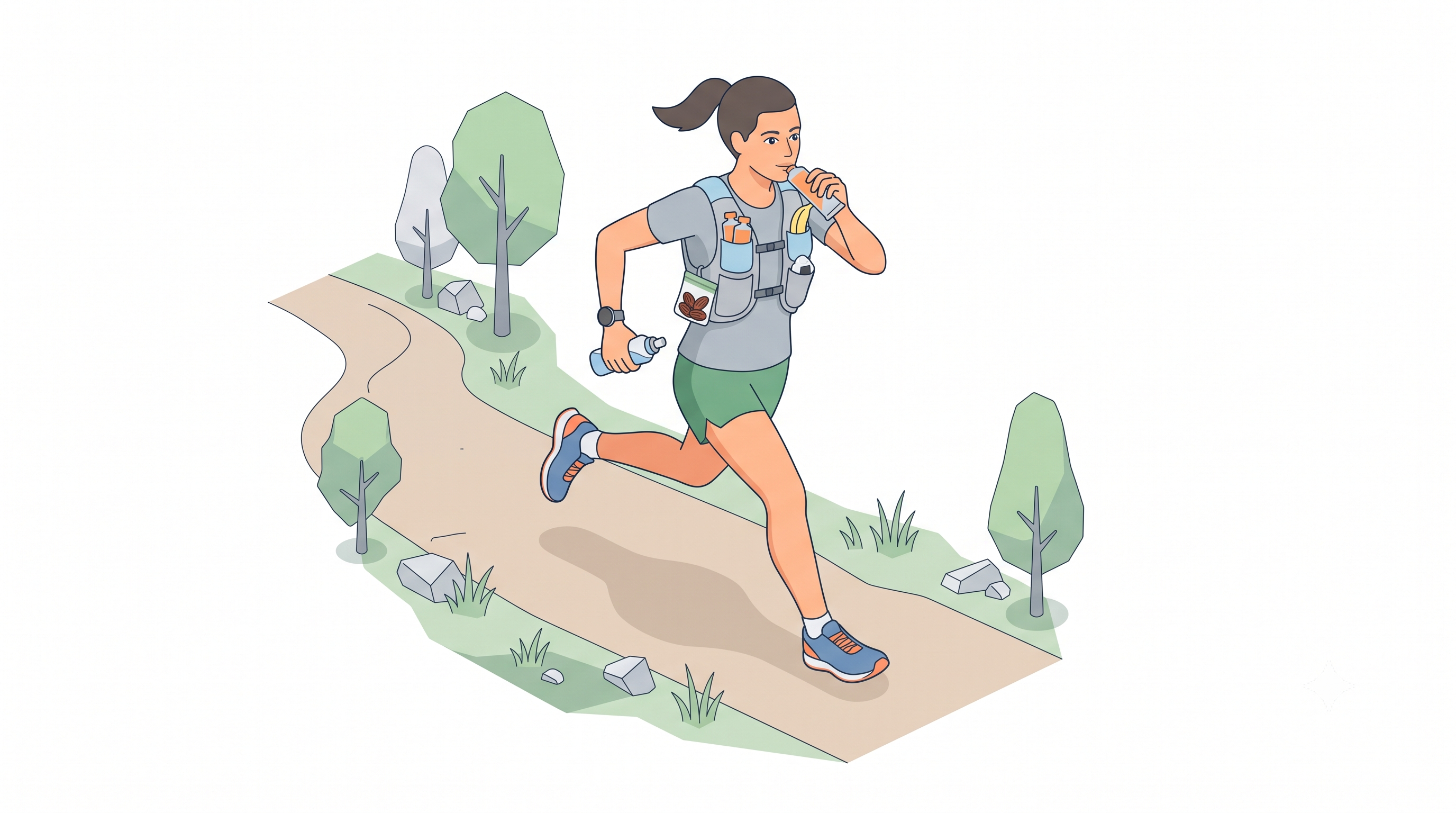
If your run lasts longer than 90 minutes, it's a good idea to start fueling during the session. Don't wait until you feel tired or hungry. Instead, fuel regularly throughout your run. You should start fueling from about 40 minutes in the race. It is recommended to consume about 60 gm of carbs per hour of running, however you need to train your gut for it.
Elite and high performance runners may train their gut in a way that they are able to ingest up to 120 gm of carbs per hour of running and still be fine with it. This is at the very high end and should not be tried right in the start. It may be good to start consuming about 30gms of carbs per hour of run and slowly increase the intake over weeks as you start to feel good with it.
Some popular choices include:
- Energy gels
- Sports drinks
- Energy chews
- Bananas
- Dates
- Small white bread sandwiches
- Rice balls
Energy gels or real food. Which is better? Energy gels are convenient because they're easy to carry and provide a measured amount of carbohydrates. Whole foods like bananas, dates, rice balls, or small sandwiches can also work well if they're easy on your stomach. She also recommends mixing different fuel sources on longer runs to avoid flavour fatigue, when eating the same sweet gel for hours becomes difficult.
What if your stomach doesn't tolerate the fuel? Even if you have a good fueling plan, stomach discomfort can still happen during long runs. Instead of pushing through it, Kira recommends making a simple adjustment.
“The faster you're running, the worse your digestion. The slower you're running, the better your digestion. A lot of people's ego doesn't want to slow down. But if you're having gut problems, slowing down for 5 to 10 minutes will often clear it.”
Giving your body a little more time to digest the carbohydrates, can often help settle your stomach.
What to eat after a run
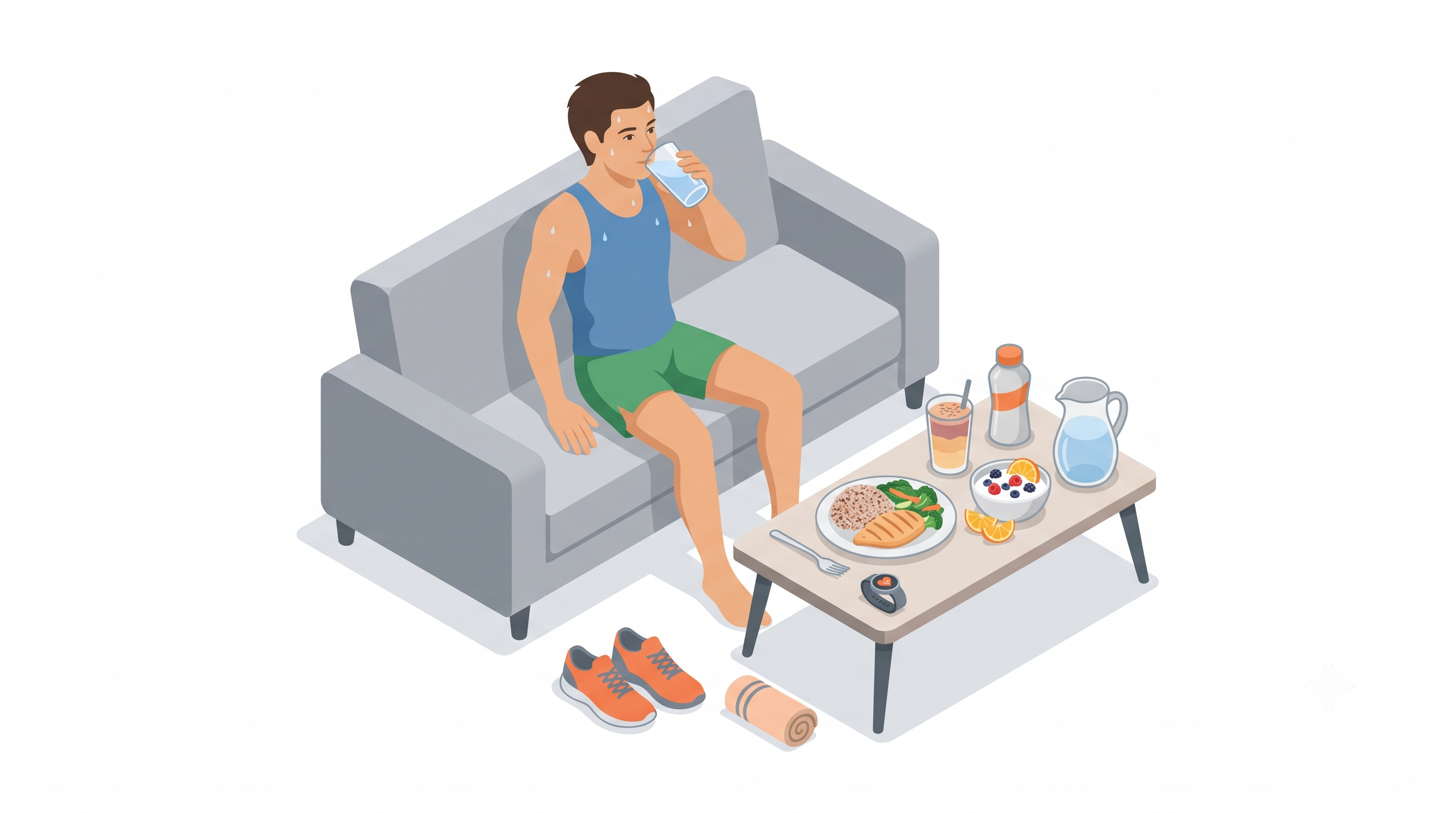
What you eat after a run is just as important as what you eat before it. Your body uses this time to refill its energy stores, repair muscles, and recover before your next training session.
According to Kira Sutherland, you don't need a special recovery drink. A balanced meal works just as well, as long as you eat it soon after your run.
“I say to people, please eat a meal within 30 minutes, 45 at the worst, of finishing exercise. A recovery drink is not mandatory. A regular meal works just as well, provided you can get to it soon enough”.
Try to include both carbohydrates and protein in your recovery meal in a proportion of 3:1 or 4:1. For example, if you are consuming 100gm of total food, you should aim to have 75 gm of carbs and 25gms of protein in it. Carbohydrates help replace the energy you've used during your run, while protein supports muscle repair and recovery.
If you can't eat a full meal straight away, a recovery drink or a light snack is a good option until you can have a proper meal.
If you often feel unusually tired or struggle to recover despite training well, it may be worth speaking to a healthcare professional and getting your iron, vitamin D, or vitamin B12 levels checked before taking supplements.
How to calculate a runner’s hydration needs
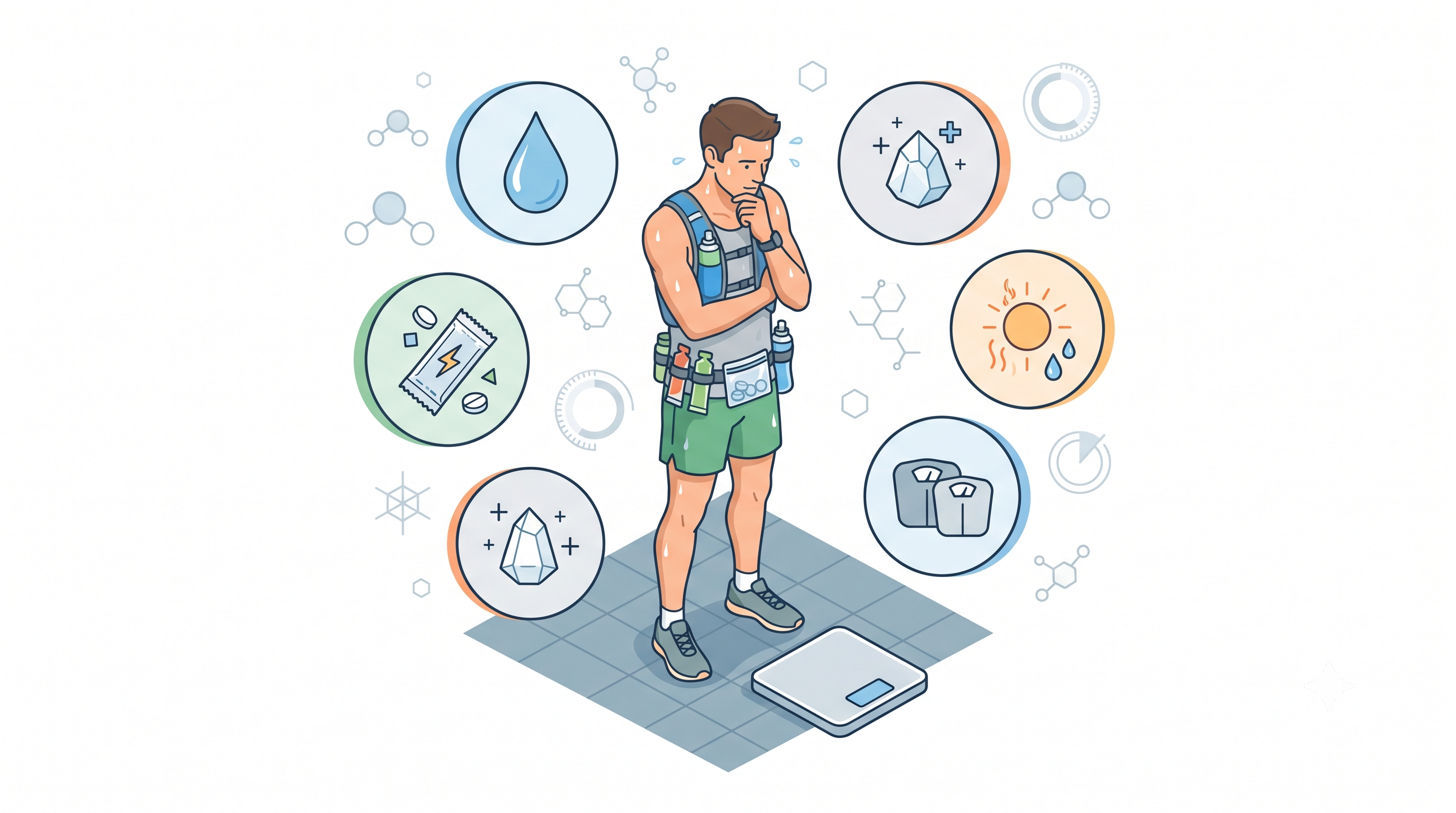
Staying hydrated is about more than drinking water. During long or intense runs, you lose both fluids and electrolytes, especially sodium, through sweat. Replacing them can help you maintain your performance and reduce the risk of dehydration.
The challenge is that every runner sweats differently. That's why Kira recommends understanding your own sweat rate instead of following generic hydration advice.
Calculate your sweat rate? One of the simplest ways to understand your hydration needs is by measuring how much fluid you lose during a run.
According to Kira:
“Weigh yourself naked first thing in the morning. Do a one-hour run at race pace without drinking anything. Come back, towel off, weigh yourself naked again. Say you lost 800 grams - that means about 800ml of fluid an hour is your sweat rate.”
Knowing your sweat rate gives you a starting point for planning your hydration during longer training runs. It also helps you avoid guessing how much water you need. Once you have measured your sweat rate, you should look to replenish it with that much electrolytes and water.
Don't over-hydrate! Many runners worry about dehydration, but drinking too much water can also be a problem. The goal isn't to replace every drop of sweat immediately. Instead, try to drink enough to stay comfortable without over-hydrating. Your sweat rate, the weather, the duration of your run, and your pace all influence how much fluid you need. Use your long runs to practise a hydration strategy that works for you.
Why do electrolytes matter? When you sweat, you lose more than just water. You also lose electrolytes, particularly sodium, which helps your body maintain fluid balance and supports normal muscle and nerve function.
Kira explains that most runners generally need around 500–1,000 mg of sodium per hour, depending on how much they sweat and the weather. Heavy sweaters and runners training in hot and humid conditions may need more, while others may need less.Rather than relying on a fixed number, use your training runs to understand what works best for your body.
Important note: If you're using an energy gel, drink it with water, not a sports drink.
As Kira explains:
“The most common mistake is taking a gel and washing it down with a sports drink.”
Sports drinks are already designed to contain around 6–8% carbohydrates, which is the concentration your body absorbs most efficiently. When you add an energy gel on top of that, the carbohydrate concentration becomes much higher. Instead of speeding up absorption, it actually slows it down and increases the risk of stomach discomfort.
A simple rule to follow is to take your gel with plain water. For a typical 25 g energy gel, Kira recommends drinking about 300 mL of water. This helps bring the carbohydrate concentration back to the range your body absorbs more efficiently, making it easier on your stomach during long runs.
How caffeine can improve your running performance
Caffeine is one of the most well-researched performance enhancers for endurance runners. It can reduce your perceived exertion, meaning the same run can feel easier even though you're running at the same pace. For most runners, coffee is the easiest source to consume caffeine before a run.
As Kira explains:
“If you're used to have coffee in the mornings, absolutely have your coffee before you go. It's a mental thing, it's a ritual thing... caffeine reduces your perceived exertion.”
One thing that's worth knowing is that coffee and caffeine aren't the same thing. Coffee is the drink, while caffeine is the natural stimulant that provides the performance benefits.
The amount of caffeine you get depends on how your coffee is prepared. Kira says an espresso contains about 80 mg of caffeine, while a cup of filtered coffee has around 120 mg, although this can vary depending on how it's brewed.
If you're doing a fasted run, keep your coffee black. Adding milk, milk alternatives, or sugar introduces calories, which technically breaks the fast.
Finally, remember that caffeine doesn't work instantly. It usually starts taking effect within 30 minutes and reaches its peak after about 60–90 minutes. If you're planning to have coffee before a run, give it enough time to take effect.